Whole Bean vs Ground Coffee: Which One Should You Buy Online?

If you’ve ever stood in front of a store shelf holding two bags of coffee—one with beans, the other pre-ground—and thought, “What’s the difference anyway?”—congratulations, you’ve just asked the question that divides humanity into two irreconcilable camps.
One camp is convinced that a morning without a manual coffee grinder is just warm brown water. The other believes that a bag of ground coffee is the pinnacle of civilization and there’s no need to overcomplicate things.
Who’s right? Let’s figure it out—because the right answer doesn’t depend on snobbery, but on your coffee maker, your habits, and just how much you love yourself at six in the morning.
Why the Format Changes the Flavor
Before you click “Add to Cart,” it’s important to understand that the form of the coffee—beans or ground—directly affects the final result in your cup. And this isn’t about marketing; it’s about chemistry.
Surface Area and Oxidation
When a coffee bean remains whole, it protects itself. Natural oils and aromatic compounds are sealed within its dense structure. But as soon as the bean is ground, its surface area increases dramatically—ground coffee comes into contact with oxygen hundreds of times more actively than a whole bean. Oxidation begins immediately, and the flavor gradually becomes flat, stale, and bland.
Studies show that ground coffee loses up to 60% of its volatile aromatic compounds within just 15 minutes of grinding when exposed to air.
Aroma Loss After Grinding
You ever notice how the smell of coffee is basically half the flavor? Most of what we call “taste” is really your nose doing the work. The problem is, once you grind coffee, that aroma starts disappearing fast — like within minutes. Even if it’s sealed up, the fade keeps happening. Whole beans hang on way longer, and when you crack open a fresh bag, the smell says it all.
The Differences Between Bean vs Ground Coffee:
|
Characteristic |
Whole Bean |
Ground Coffee |
|
Freshness after opening |
~2–4 weeks |
A few days to ~1 week |
|
Grind control |
Full control |
Fixed grind size |
|
Convenience |
Requires grinder |
Ready to brew |
|
Aroma retention |
Much better |
Fades quickly after opening |
|
Brewing flexibility |
Works for all methods |
Depends on grind in bag |
|
Typical cost |
Slightly higher |
Usually cheaper |
|
Best for |
French press, espresso, pour over |
Drip coffee, convenience brewing |
Concept Cafes: “We always tell people — smell the coffee before you buy it. Even online, you can do that by reading the flavor notes. If a roaster can’t describe the aroma in detail, odds are there’s not much worth describing.”
When Whole Bean Coffee Is the Better Choice
If you’re trying to get the absolute most out of your coffee, a whole bean is usually the move. Here’s why.
Maximum Freshness
Whole bean coffee stays fresh a lot longer than ground coffee. Keep it in an airtight container away from heat and light, and you’ll usually get a solid 2–4 weeks of really good flavor after the roast date. Ground coffee? You’ll start noticing the drop-off much sooner — sometimes within days, definitely within a couple weeks after opening.
If you’ve never really gone down the rabbit hole of roast freshness before, the Freshly Roasted Coffee Guide breaks it down without the usual coffee-snob drama.
And if you’re buying coffee beans online, this matters even more. Shipping takes time. Whole beans simply survive that trip better.
This is especially true with specialty coffees from places like Central America, where the whole point is tasting the layers in the cup — citrus, chocolate, florals, weird little fruit notes you didn’t expect. It’s kind of painful paying for nuanced coffee and ending up with something that just tastes “dark.”
And if you’re still figuring out the whole single-origin vs blends, this guide makes it way less confusing than coffee internet usually does.
Better Control Over Grind Size
Grind size changes everything. French press needs a coarse grind. Drip coffee likes medium. Espresso basically demands powder-fine precision and emotional stability.
When you buy whole bean coffee and grind it yourself, you control all of that. And once you start adjusting grind size even slightly, you realize how much it affects the cup. A little coarser? Softer, cleaner flavor. A little finer? Heavier body and more intensity.
That flexibility disappears once the coffee’s already ground.
When Ground Coffee Makes More Sense
Whole beans aren’t automatically the “right” choice. Sometimes ground coffee is just smarter.
Convenience for Daily Brewing
Not everyone wants to run a mini coffee lab before sunrise. If your mornings are full of kids, Slack pings, traffic, deadlines — or just trying to function before caffeine — pre‑ground coffee is a lifesaver. Toss it in the machine, hit a button, keep moving.
It’s also way easier in offices, while traveling, in shared kitchens, or anywhere people don’t own a grinder (and don’t want to hear one roaring at 6 a.m. like a construction site).
At the end of the day, the “best” coffee isn’t the one that sounds superior on paper. It’s the one you’ll actually brew every day.
Custom Grind Options from Concept Cafes
Here’s the good news: you don’t have to pick between freshness and convenience anymore. Lots of specialty roasters now let you choose your grind when you order online. You pick the beans, pick your brew style — French press, drip, espresso, whatever — and they grind it right before shipping.
Honestly, that’s the sweet spot for a lot of people.
Concept Cafes: «Fresh‑ground coffee shipped the same day can hold about 80% of its aroma through the first week if packaged right. For most home brewers, that’s surprisingly close to whole bean quality .»
How to Match Coffee Format to Brewing Method
A lot of “bad coffee” isn’t about the beans — it’s just the wrong grind.
French Press Grind
Needs a coarse grind, chunkier than most. That way the 4‑minute steep stays smooth, not bitter or muddy. Go too fine and you end up with a silty, angry brew.
Drip Coffee Grind
Medium grind is the sweet spot — think sand. Too fine and water struggles, pulling out bitterness. Too coarse and it rushes through, leaving weak, sour coffee. That’s why most stores‑bought ground is set for drip.
Espresso Grind
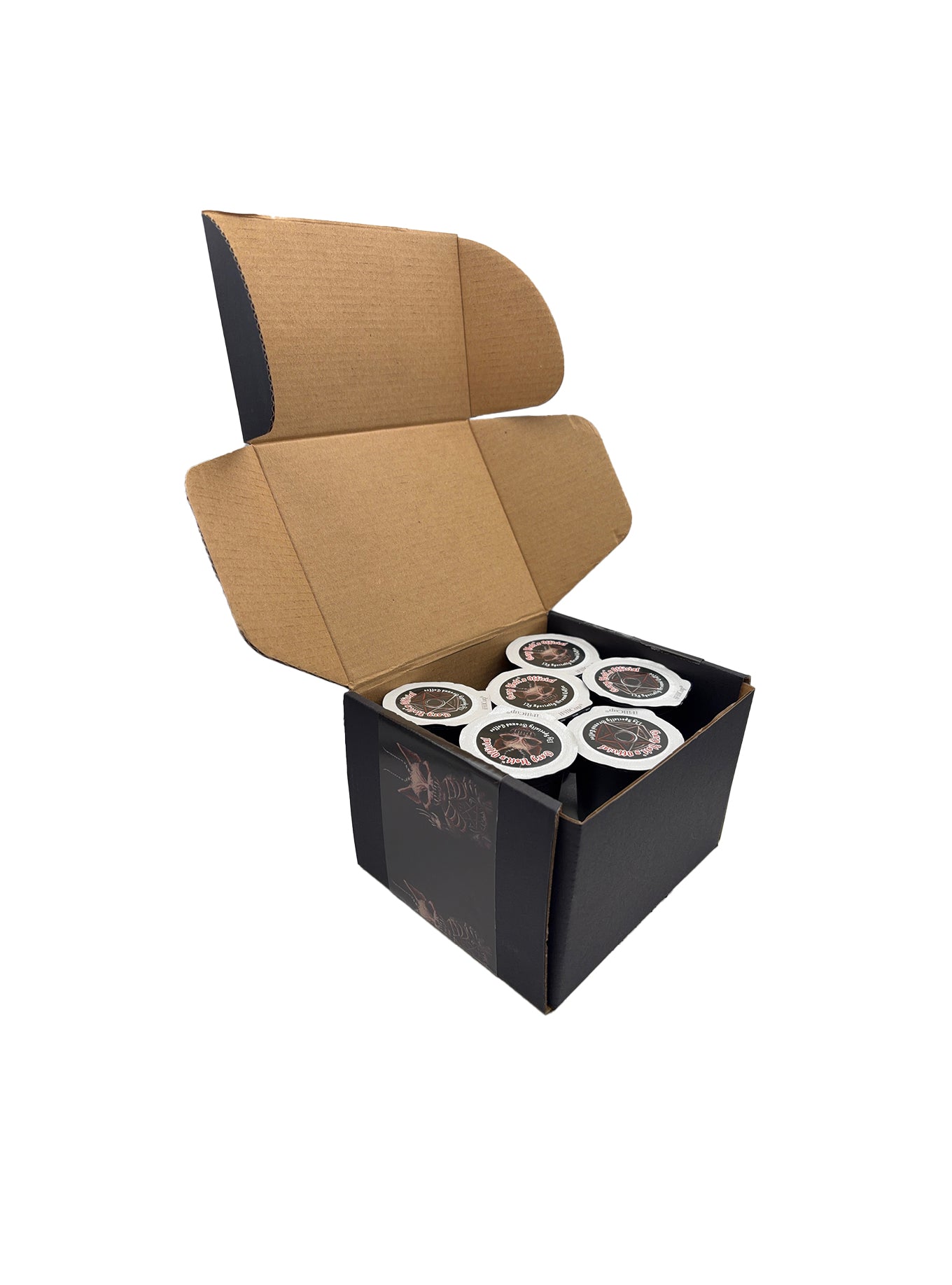
Espresso is the high-maintenance one. Some coffees are basically built for it — Cannibal Corpse Coffee definitely isn't trying to be subtle.
It needs a very fine grind: water pushes through under 9 bars of pressure in about 25–30 seconds, and even tiny adjustments change everything. Too coarse? Sour and thin. Too fine? Bitter sludge with anger issues.
If you're serious about espresso at home, whole bean coffee and a decent burr grinder stop being optional pretty fast.
And yes — Italians still knock back espresso standing at the bar in 40 seconds. Not because they're in a hurry. That's just the culture. Sitting around slowly sipping espresso is basically americano behavior.
What to Look for When Buying Coffee Online
If you want to buy the best coffee beans online, there are a few things you should keep in mind before placing your order.
Roast Date
This is the big one. A roast date tells you freshness. An expiration date tells you legal optimism.
Most specialty coffee tastes best between 5–7 days and 4 weeks after roasting. If the bag only says "best before 2027" and never mentions when it was roasted — that's not a great sign. Good roasters are proud of freshness and tell you exactly when it was roasted.
Fresh Packaging
Look for a one-way degassing valve — that little circle on the bag. Fresh coffee releases CO₂ after roasting, and the valve lets gas out without letting oxygen in. No valve usually means the coffee sat around before packaging.
Darker, heavier profiles like Cavalera Blood Brothers lose a lot sitting pre-ground — whole bean and proper packaging matter more here.

Clear Flavor Notes
Good roasters describe flavor specifically. "Milk chocolate, caramel, hazelnut." "Blackberry, jasmine, brown sugar." That kind of thing.
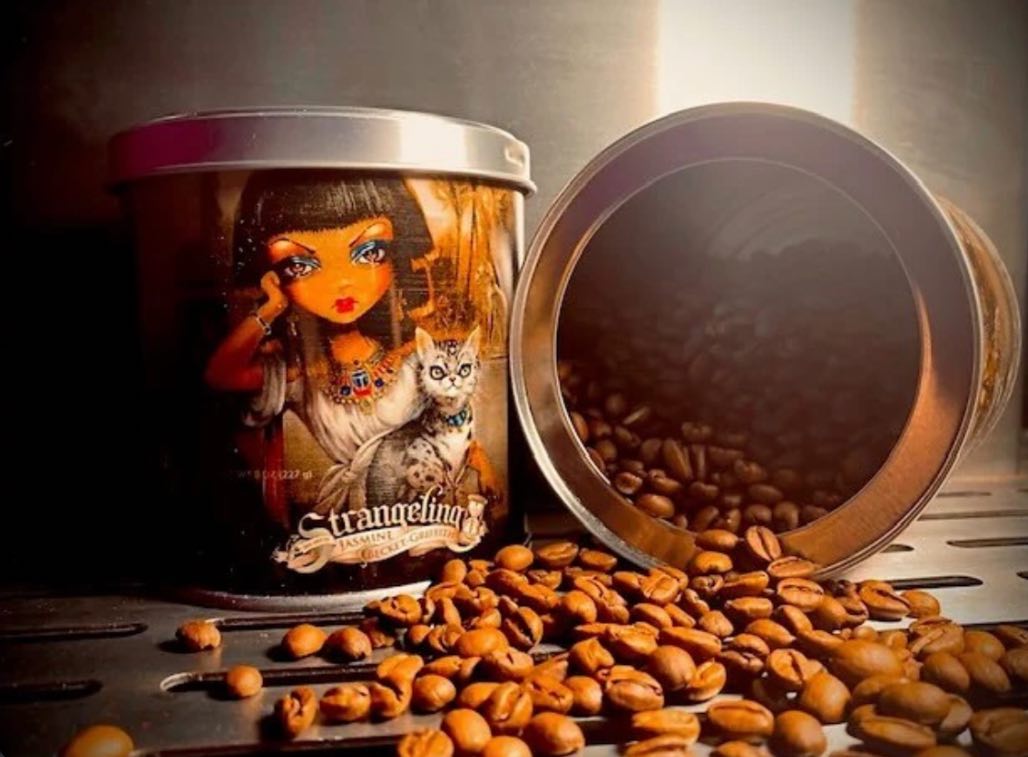
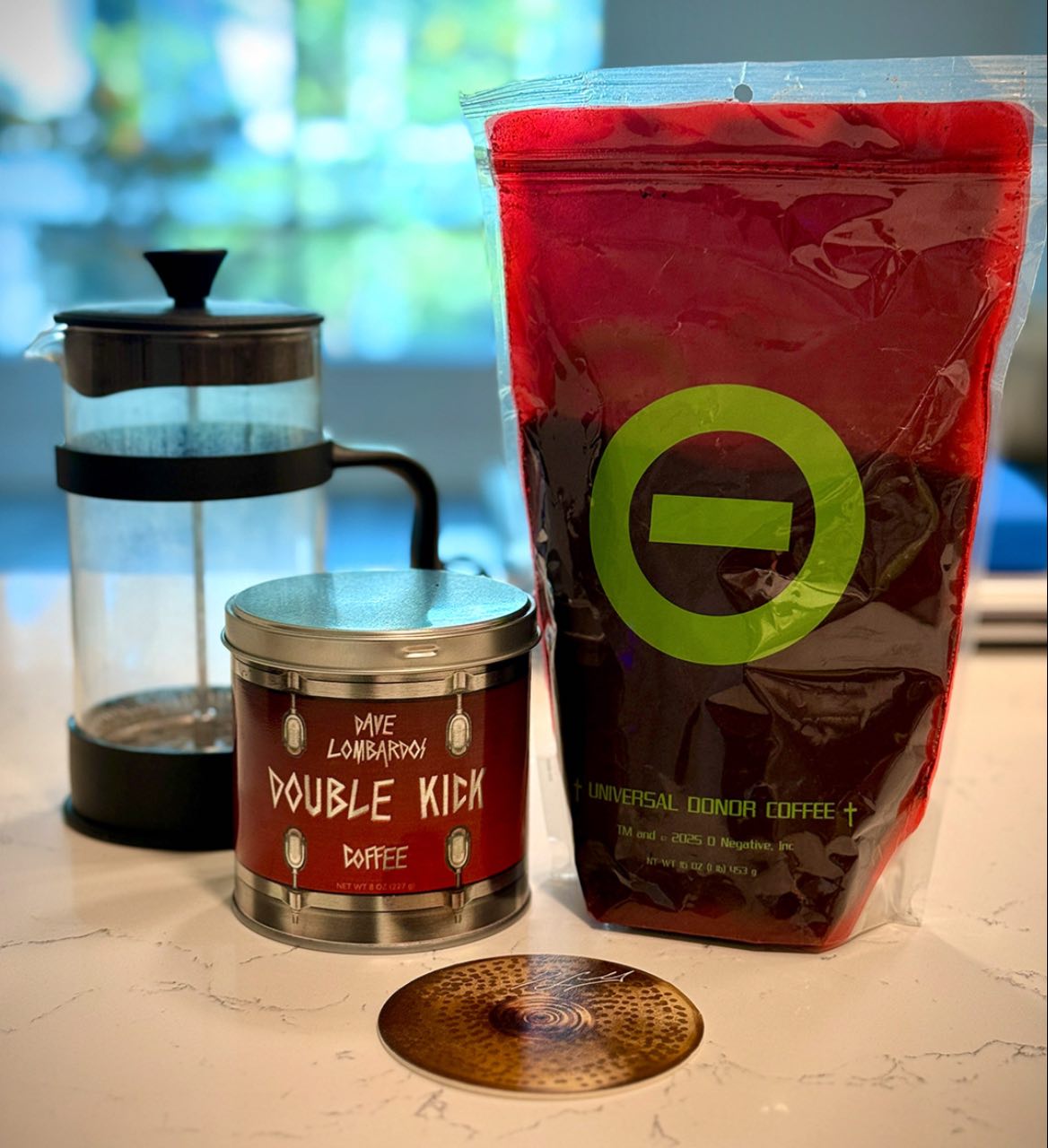
Some coffees go bright and citrusy. Others darker and moodier — Type O Negative Coffee is firmly in that second category. And some don't really try to behave at all — Katrina Possession Coffee Tins feels less like a product and more like something you should probably light a candle before opening.
For everyday drip, look for chocolate, nuts, and caramel. For French press or pour over, go citrus, berries, florals. Vague descriptions like "strong bold flavor" usually don't tell you much.
Still figuring out dark roast vs medium roast? Most people don't really know until they've tried both side by side.
Final Recommendation: Buy Based on Equipment and Routine
The answer to “whole bean vs ground coffee” really depends on your actual life.
Buy whole bean coffee if:
-
you own a grinder,
-
care about maximum freshness,
-
like experimenting with brewing methods,
-
or want to get the full experience from specialty coffee.
Buy ground coffee if:
-
you want simplicity,
-
don’t own a grinder,
-
your mornings are chaotic,
-
or you just want good coffee without turning it into a hobby.
And honestly? There’s nothing wrong with either choice.
The bigger thing is buying from roasters who care about freshness, include roast dates, package coffee properly, and actually tell you what’s in the bag.
If you want to browse what’s currently roasting, you can check out the full coffee lineup here: All Products.
FAQ
Is whole bean coffee better than ground coffee?
Usually yes — if you have a grinder. Beans stay fresh longer. Ground coffee can still be good if it’s freshly ground.
Why does whole bean coffee stay fresh longer?
Because the bean naturally protects itself. Once coffee is ground, way more surface area gets exposed to oxygen, and flavor compounds start disappearing fast.
When should you buy ground coffee instead of whole bean coffee?
When convenience matters more. Ground coffee makes sense for busy mornings, offices, travel, or anybody who doesn’t want extra equipment cluttering the kitchen.
What grind size should you choose for drip coffee?
Medium grind. Think coarse sand. Too fine gets bitter. Too coarse it gets watery.
Can you buy the best coffee beans online?
Absolutely. Many specialty roasters grind coffee to order based on your brew method and ship it immediately afterward.
How should you store whole bean coffee?
Keep it in an airtight container at room temperature, away from light, heat, and moisture. Skip the fridge unless you enjoy coffee that vaguely tastes like leftover takeout.
Which format is better for beginners?
Ground coffee is usually the easier starting point. Once you figure out what kinds of coffee you actually enjoy, moving into whole bean coffee and a burr grinder starts making a lot more sense.
References
-
Yeretzian, C. et al., From the green bean to the cup of coffee, European Food Research and Technology.
-
Labuza, T.P. & Cardelli, C., Shelf Life Testing: Oxidative Rancidity in Foods.