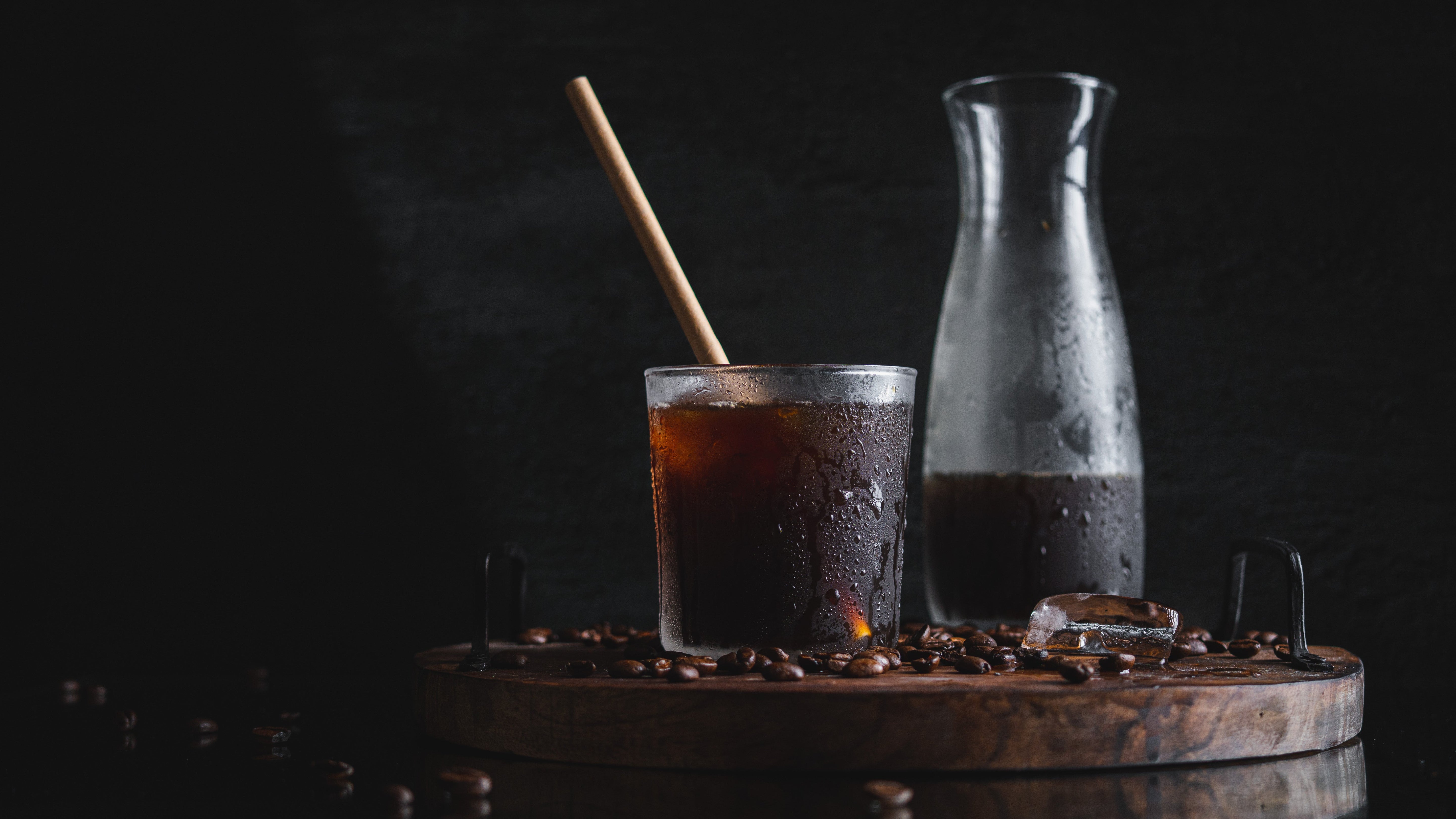
Article: Is Freshly Roasted Coffee Really Better? Shelf Life, Degassing and Flavor Stability
Is Freshly Roasted Coffee Really Better? Shelf Life, Degassing and Flavor Stability
What could be better than a cup of hot, freshly roasted coffee and the morning paper?
goes a well-known saying. And it’s hard to argue with that. It is the fresh roast that creates a distinctive aroma, making coffee beans fully extractable.
Any coffee connoisseur who prefers a hot espresso during the day and loud guitar in the evening will confirm that fresh roasted coffee, ground just moments ago, significantly outperforms both pre-ground and instant coffee in terms of flavor. This is because it preserves essential oils and rich, complex aromas that gradually fade over time.
There is a common belief that the sooner coffee is brewed after roasting, the better it will taste. This point of view is deeply mistaken. Freshly roasted beans are not suitable for brewing for at least the first two weeks after roasting due to the excess carbon dioxide, which interferes with the extraction process. However, after this period, the flavor gradually opens up and, over the next two weeks, reaches its peak aroma.
According to many experts from online stores specializing in freshly roasted coffee, including the roasters at Concept Cafés Coffee,
The best coffee is coffee that was roasted no more than 2–4 weeks ago!
What Happens to Coffee After Roasting
Roasting coffee beans is often compared to magic or a great rock playlist, as this process triggers chemical reactions that change their color, taste, and aroma.
Today, the coffee roast date importance truly matters, as after roasting, oxygen begins to penetrate the beans, causing the degradation of certain aromatic compounds. However, there is no need to worry, since these changes are minimal, and the escaping aroma does not simply disappear—it fills the space around the beans.
At the same time, another reaction takes place — coffee oxidation of the beans and their oils — as a result of which the flavor may start to develop unpleasant rancid notes. To eliminate them, 1–2 weeks should pass after roasting. During this time, excess carbon dioxide is gradually released from the beans, allowing the drink to reach its peak flavor window.
Understanding the Coffee Degassing Process
Degassing is precisely the process of carbon dioxide escaping from coffee beans after roasting. The amount and duration of this process largely depend on the roast level. To a lesser extent, the coffee degassing process can also be influenced by origin, variety, and processing method.
On the one hand, degassing interferes with proper extraction and adds harshness. On the other hand, degassing is essential for achieving a balanced flavor and preventing excessive bitterness.
That is why it is important not to brew coffee immediately after roasting, but to let the beans “rest” for up to two weeks. During this time, the excess gas escapes, the flavor becomes cleaner, acidity softens, and natural fruity or floral notes—depending on the variety—begin to stand out more clearly, after which you can once again alternate between a cup of coffee and a rock album.
How Long Does Coffee Stay Fresh
Despite the fact that the shelf life of freshly roasted beans is about a year, professional roasters claim that their ideal flavor lasts from 2 to 4 weeks, after which it begins to “fade.” So, how long does coffee stay fresh and aromatic? Different types of coffee have different freshness timelines:
|
№ |
Main types |
Freshness retention periods |
|
1. |
Sealed package of whole bean or ground |
6–9 months (up to one year maximum) |
|
2. |
Opened package of whole beans |
1–2 months |
|
3. |
Opened package of ground |
1–2 weeks |
|
4. |
Opened instant |
Up to 2 years |
Notably, freshly brewed coffee is best consumed right away, as after 30–60 minutes its flavor loses its brightness and becomes flat—meaning that finding the perfect balance between the energy of coffee and the drive of rock won’t be a problem.
Storage Conditions That Preserve Freshness
One of the key rules for keeping coffee fresh is not to store it for too long. In addition, it is important to follow:
|
№ |
Storage conditions |
Features |
|
1. |
The presence of a degassing valve |
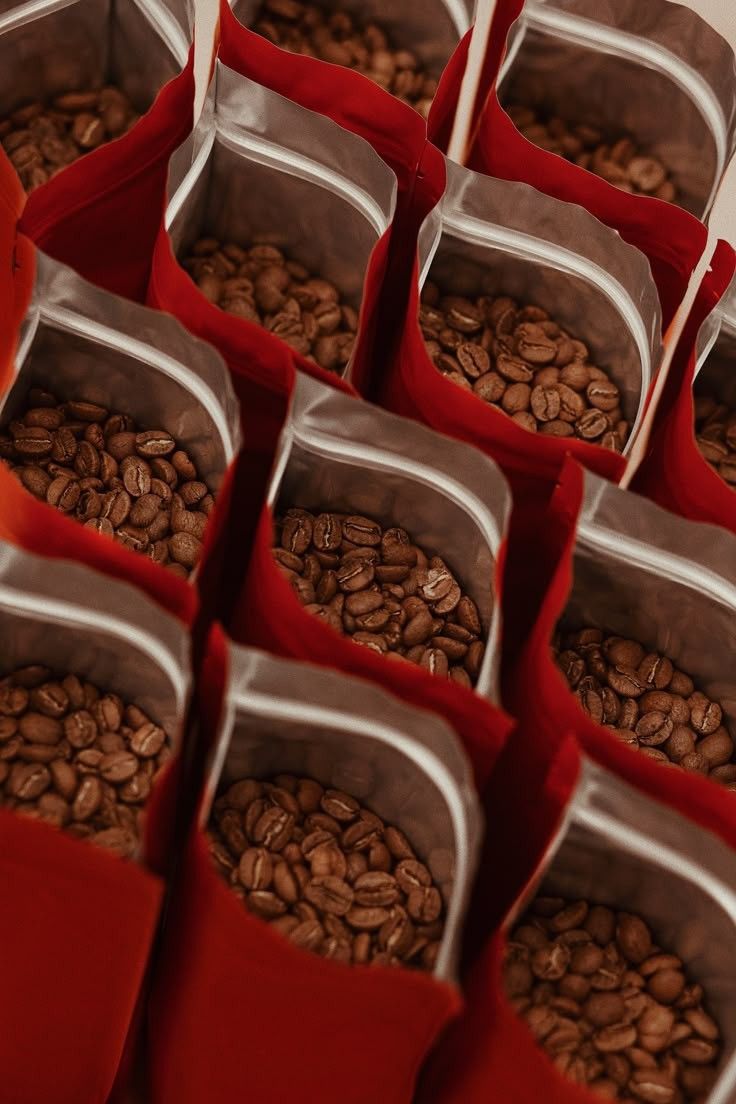
It is best to store the beans in their original packaging, keeping the valve closed. |
|
2. |
A dry place |
Avoid direct exposure to air, light, moisture, and heat. |
|
3. |
A dark place |
The package should be kept in a dark and cool place. |
|
4. |
Whole beans |
Grind the beans immediately before preparing the drink. |
To extend the freshness of roasted beans over a longer period, they can be placed in the freezer. In this case, valve coffee bags should be tightly sealed, and before use, they should be taken out and left unopened until they reach room temperature.
Why Roast Date Transparency Matters
The roast date is one of the key indicators of freshness, directly affecting the aroma and overall quality of the drink. For consumers, this information is critically important, although other factors, such as the variety and roasting profile, also carry significant weight when choosing a product. Still, for many, making the right choice can be quite challenging.
For this reason, roasters have begun to focus their strategy not only on offering a wide product range but also on maintaining consistent quality. Each batch undergoes strict control, ensuring freshness. At the same time, the debate around whole bean vs ground freshness continues, shaping what modern consumers ultimately prefer.
Recently, not just fresh roasting but custom roasting to order has been gaining popularity. This is a unique opportunity to offer consumers a true “fusion of rock and coffee” — a product with a perfectly balanced profile of acidity, bitterness, and sweetness.
How to Choose Fresh Roasted Coffee Online
Choosing quality beans is an important step for every coffee lover who wants to fuel their day with energy. At the same time, the choice should be guided by criteria such as the presence of a roast date and roast level, a description of aroma and flavor (descriptors), the specified region where the beans were grown and their processing method, as well as the use of packaging with a degassing valve.
In addition, a good roaster works exclusively with high-quality beans in the “specialty” and “premium” categories, clearly states the equipment used in the roasting process, their qualifications, and shares roasting insights as well as recipes for preparing a great cup of coffee.
Conclusion: Freshness as a Quality Standard
True coffee enthusiasts know that the perfect cup can only be achieved from freshly roasted beans that have rested for at least two weeks after roasting — and this is exactly what helps create the right vibe.
Since coffee contains more than 800 different aromatic compounds, it is rightfully considered one of the most aromatic beverages in the world. The freshness of the beans guarantees a rich, vibrant aromatic bouquet, an even color, a quality crema, and the absence of rancid notes.
FAQ
How long does whole bean coffee stay fresh?
Freshly roasted whole bean coffee retains its freshness for 2 weeks to 1 month. The maximum possible term, achievable only when beans are stored in a sealed, airtight package with a degassing valve, does not exceed 1 year.
How long does ground coffee stay fresh after opening?
Up to two weeks. This is the optimal period.
What is the coffee degassing process?
Degassing is the process of carbon dioxide being released from roasted coffee. It affects extraction by reducing the sharp acidity caused by CO₂ and allowing natural fruity or floral notes to open up.
Does roast date matter more than best before date?
The roast date of beans is clearly more important than the best before date, as it determines flavor and aroma characteristics rather than product safety.
Should you freeze coffee beans?
Coffee beans can be frozen by portioning them into small airtight packages. Freezing helps preserve the freshness of roasted beans for a longer period.
Where to buy fresh roasted coffee beans near me?
Buy coffee from local roasters like Concept Cafés Coffee, where beans are roasted with quality and care, ensuring maximum freshness.