Espresso Ground Coffee vs Regular Ground Coffee: What Is the Difference?

Imagine a world without coffee. No morning espresso hitting like a guitar riff. No latte keeping you in rhythm on the way to work. No strong americano you drink anyway after a short night.
Just tea and juice. Boring. Wrong.
And yet, it all starts with the little things that usually stay behind the scenes. Grind size. Freshness of beans. How long the pack has been sitting around. These details decide whether your cup is an energizing symphony or dull background noise.
So what really makes espresso ground coffee different from regular ground — and why does grind size decide whether your shot rocks or flops?
Why Espresso Needs a Different Grind
Espresso is weirdly unforgiving. Everything matters more than it should — the beans, the machine, even how long you’ve left your grinder sitting on the counter without cleaning it.
But grind size is the big one. The thing you actually notice when something goes wrong.
Pressure Extraction
Espresso works under pressure — real pressure. Hot water gets forced through tightly packed coffee, and that’s where the magic (and frustration) happens.
If the resistance is right, you get a shot that feels balanced: sweet, a little intense, with that thick, syrupy body people love.
If it’s off, you’ll know immediately. Too fast and it tastes thin, almost like flavored water. Too slow and it turns bitter, heavy, kind of tired.
There’s no hiding with espresso. It tells you.
Fine Grind Size
You need a fine espresso grind size — something close to fine table salt. Not powder, but definitely not anything coarse either. That texture creates the resistance espresso relies on, helping the shot land somewhere around a 25–30 second extraction when everything is dialed in right.
And when it works, you get that dense, concentrated shot with a layer of golden crema sitting on top. Simple, but very specific.
There’s a saying you hear a lot in coffee circles:
“Grind size is the single most important variable in espresso. You can have the best beans in the world, but the wrong grind will ruin the shot every time.”
It sounds dramatic, but anyone who’s spent time dialing in a shot knows it’s not really an exaggeration.
What Regular Ground Coffee Is Designed For
Regular ground coffee is basically the “middle ground” of coffee brewing. It’s not trying to be precise like espresso, and it’s not as forgiving as whole beans you grind fresh at home. It’s made to work with everyday brewing methods — the kind most people actually use in real life.
Think drip coffee makers. French press. Sometimes even a moka pot, depending on how you like it.
Drip Coffee Makers
This is where regular ground coffee feels most at home.
A drip coffee maker relies on gravity. Hot water moves through coffee slowly, but without pressure. It just… drips. Steady and predictable.
For that to work, you need a medium grind — not too fine, not too coarse. Something that lets water pass through at the right pace without over-extracting or rushing past.
If the grind is too fine, the coffee turns bitter and heavy. Too coarse, and it tastes weak, like it never fully woke up.
Simple system, sensitive results.
French Press Brewing
The French press is in a completely different mood.
No paper filter. No drip system. Just coffee sitting in hot water for around 3–5 minutes before the plunger comes down.
Because of that, it needs a coarse grind — big, chunky particles that don’t over-extract during the steeping time.
If you go too fine here, you’ll know immediately. The cup turns muddy, overly bitter, and the last sip feels like you drank the bottom of a grinder. Not great.
But when it’s right, French press coffee is full-bodied, round, and surprisingly smooth.
Espresso vs Coffee: The Practical Difference
Espresso and regular coffee can come from the same beans, but the way they’re brewed makes them feel like two completely different drinks.
It all comes down to three things: pressure, size, and how the flavour shows up in the cup.
Brewing Pressure
Espresso is made under pressure — about 9 bars in an espresso machine. That force pushes hot water through tightly packed coffee very quickly.
Drip coffee doesn’t use pressure at all. It’s just gravity doing the work, slowly pulling water through the grounds.
And yeah, that one difference changes everything else — grind size, extraction time, even how intense the cup feels.
Serving Size
A single espresso shot is 25–30 ml. A standard cup of drip coffee is 200–350 ml. That's a massive difference in volume, which directly shapes how "strong" each drink feels.
Flavor Intensity
Espresso is bold and dense. It hits fast, with layered bitterness, sweetness, and a long finish that sticks around after the sip.
Drip coffee is more relaxed. Lighter, smoother, easier to drink over time. You notice different notes as it cools, instead of one intense hit.
Same beans — but not all beans work equally well for espresso.
Some roasts are built to shine under pressure, others fall apart when you push them through an espresso machine.
Totally different experience.
Quick comparison:
|
Aspect |
Espresso |
Drip Coffee |
|
Brewing pressure |
~9 bars (high pressure extraction) |
Gravity (no pressure) |
|
Serving size |
25–30 ml (single shot) |
200–350 ml (full cup) |
|
Flavor intensity |
Strong, concentrated, complex |
Light, smooth, more gradual |
“Espresso is like a guitar solo — short, loud, and unforgettable. Drip coffee is the full album — longer, smoother, and easier to play on repeat.”
How to Choose the Right Grind From Concept Cafes
If you're looking for the best coffee for espresso at home, the grind has to come first — before the roast, before the blend
Not sure where to start? Keep it simple. Concept Cafes offers a full range of coffee blends and grind options. Browse our All Products or choose a coffee in the “Shop by Artist” section.
We have it all: from espresso-forward blends to light roasts for drip coffee and options for slow brewing. No need to overthink it—just pick the grind size that fits your lifestyle.
Espresso Ground Coffee
Choosing the right ground coffee for espresso starts with one thing: grind size. Fine, tightly packed, made for pressure — it's what you need for a classic shot with thick crema and bold flavour. Try the Cannibal Corpse Coffee — built for intense espresso pulls.

Drip Ground Coffee
Medium grind for drip coffee makers. The everyday workhorse.
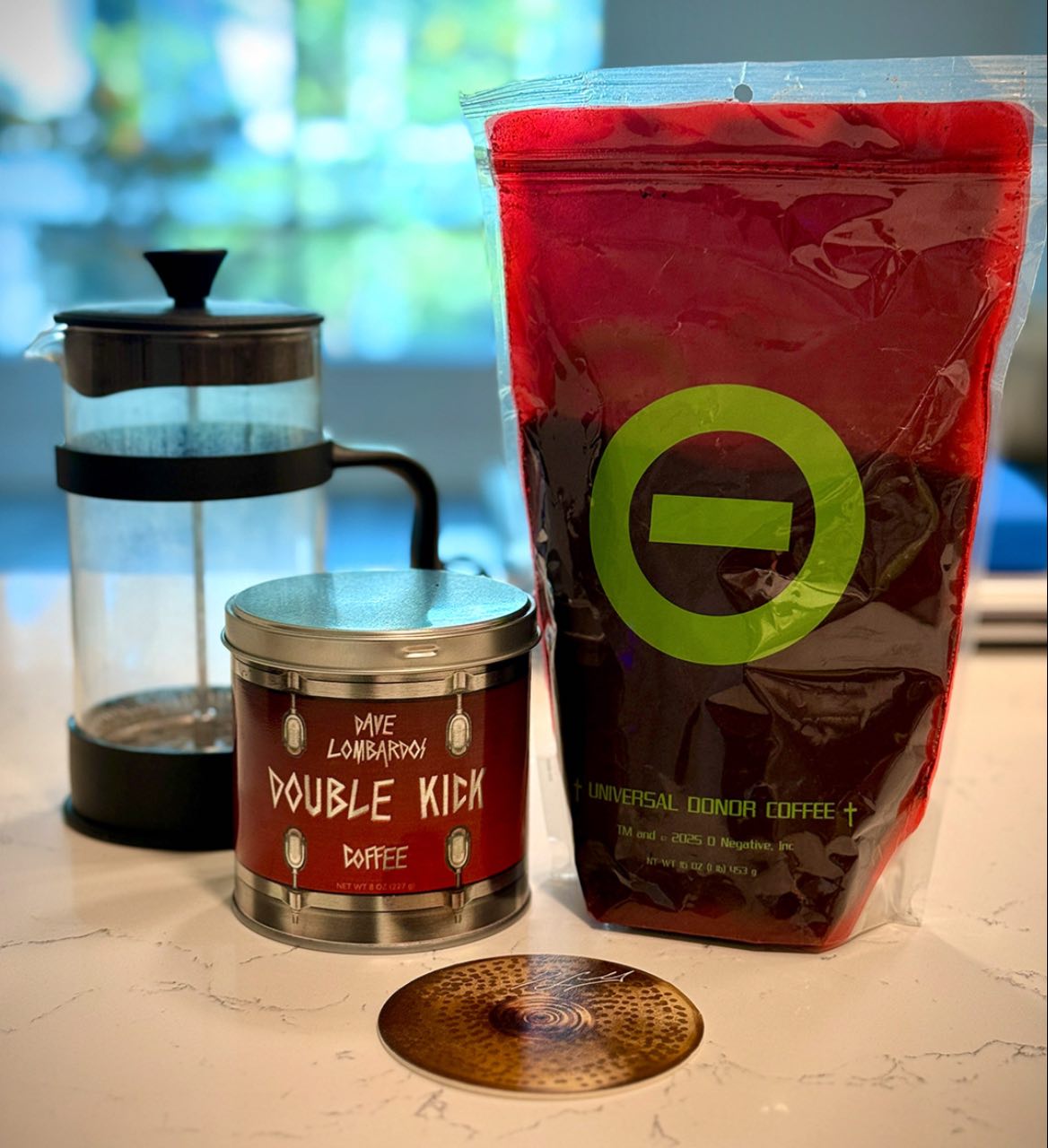
For example, Type O Negative Coffee is a great pick. It's balanced, smooth, and predictable in the best way. You can drink it black, add milk, make a big morning mug — it just works. No drama. Just solid coffee that shows up the same way every time.

Coarse Ground Coffee
Coarse grind is for French press and cold brew.
Slower brewing, softer extraction, less bitterness. What you get is a round, full-bodied cup with a calmer character — more texture, less sharpness.
It’s coffee you don’t rush.
A good example of this style is Cavalera Blood Brothers Coffee — a bold, slow-brew roast built for deep, heavy cups with real presence.
Also worth reading if you're dialling in your setup:
Dark Roast vs Medium Roast — which roast works best for espresso vs drip.
Freshly Roasted Coffee Guide — why freshness matters more than most people think.
Arabica vs Robusta — how bean type affects grind behaviour and flavour.
"The grind isn't just a technical setting — it's the foundation of the entire cup."
Common Mistakes to Avoid
This is usually the part where people realize coffee isn’t “bad” — it’s just mismatched. Same beans, same machine… completely different result, depending on grind size.
Using Too Coarse a Grind for Espresso
This is probably the most common mistake.
If the grind is too coarse in an espresso machine, water moves through it too fast. There’s not enough resistance, so the shot under-extracts.
What you get is a weak, sour espresso with no body — thin, flat, kind of disappointing. And the frustrating part? No machine can fix it. Not even an expensive one.
Espresso only works when the grind slows everything down just enough.
Using Too Fine a Grind for Drip Coffee
The opposite problem is just as bad.
If your grind is too fine for a drip coffee maker, the filter struggles. Water slows down, extraction drags out, and the cup turns bitter and overworked.
Sometimes it even clogs the filter completely or causes overflow — messy, uneven, and honestly a waste of good coffee.
Drip brewing needs flow. Not pressure. Not resistance. Just balance.
Final Recommendation: Match Grind to Brewing Method
Don’t overthink coffee. But don’t ignore the grind either. Same beans. Different cups:
-
Espresso — fine.
-
Drip coffee — medium.
-
French press / cold brew — coarse.
Get that part right, and everything else falls into place. Cleaner taste. Better balance. No blaming the beans.
"Right grind — coffee plays its music."
FAQ
What is the difference between espresso and coffee?
Espresso uses pressure. Drip coffee uses gravity. Same beans, different extraction.
Does espresso have more caffeine than coffee?
Per volume — yes. But a full cup of drip coffee usually contains more total caffeine.
Can you use espresso ground coffee in a drip coffee maker?
Not recommended. It’s too fine and leads to bitterness and over-extraction.
Can I use the same grind for espresso machines and moka pots?
Not exactly. They’re close, but moka pots usually work better with a slightly coarser grind.
References
-
Poole, R. et al. (2017). Coffee consumption and health: umbrella review of meta-analyses of multiple health outcome
-
Batali, M.E. et al. (2022). Influence of particle size distribution on espresso extraction via packed bed compression. Journal of Food Engineering. ScienceDirect.
-
Specialty Coffee Association (SCA). Water for Coffee — White Paper. SCA Publications.