How to Brew Better Coffee at Home Without Expensive Equipment

Ever wonder why coffee from a small coffee shop tastes amazing, but the stuff you make at home somehow falls flat? Most people assume they need expensive coffee makers or a fancy espresso setup to fix that. Usually not true.
If you're trying to figure out how to make coffee at home that actually tastes better, a few small things matter way more than expensive gear. Fresher coffee beans. Better water. The right grind size. That’s where good coffee usually starts.
And honestly? Once you dial those in, home coffee gets a lot better surprisingly fast.
Why Home Coffee Often Tastes Worse Than Coffee Shop Coffee
Walk into a good coffee shop and you smell coffee immediately. Not burnt coffee. Not stale diner coffee sitting on a hot plate for an hour. Fresh coffee. Usually somebody's grinding beans nonstop behind the counter, and that smell alone tells you a lot.
At home, most people are already working with coffee that's months old before the bag even gets opened. And honestly? Old coffee is really hard to save.
The Problem With Stale Beans
Here's something that surprises a lot of people: roasted coffee doesn't stay great for long.
Open a genuinely fresh bag — roasted a few days ago — and the smell hits you before you even brew anything. Then go back to a grocery store bag and it smells like... a cardboard box that once knew a coffee bean.
Stale coffee is hard to save. You can tweak the ratio, use better water, nail your technique. Still tastes flat. Because the problem isn't technique — it's the beans.
Most people blame the wrong thing. The grinder. The French press. The pour over setup. Usually? The beans are just old.
The Problem With Wrong Grind Size
This one gets overlooked all the time. Bitter and harsh? Grind's probably too fine — water moves too slowly and pulls out everything, including the bad stuff. Thin and hollow? Too coarse — water blows right through without extracting much.
Pre-ground coffee makes this worse because it tries to work for every method at once — drip, French press, pour over — and ends up being truly perfect for none of them. Sometimes moving one click coarser fixes everything. Seriously, one click.
(Still deciding between whole bean and pre-ground? Whole Bean vs Ground Coffee breaks it down.)
Start With Better Coffee Beans
Before you even touch your coffee maker or start rinsing filters and weighing things out… this is where everything really begins.
And honestly, it’s the step most people skip for way too long.
It’s easy to blame the gear. The French press. The drip machine. The pour over setup that looked cool on Instagram but somehow didn’t change much. But in most cases, none of that is the real issue.
It’s the beans. We also source single-origin coffee so you can actually taste where it comes from. And if that whole “single-origin vs blend” thing still feels a bit fuzzy, the Arabica vs Robusta breakdown is a simple place to start.
Coffee is one of those things where taste becomes personal pretty quickly — what you like ends up saying more about you than the method itself.
That’s also why curated collections like Shop by Artist exist in the first place. If you want to see what’s actually roasting right now, everything lives here: Shop All Products.
Why Freshly Roasted Coffee Matters
Here's an uncomfortable truth: that bag of coffee sitting on your grocery store shelf? It was probably roasted two, three, maybe four months ago. By the time it gets from the roaster to the warehouse to the store to your cart to your kitchen… let's just say it's had time to think about its life choices.
Fresh beans — roasted within the last 2–4 weeks — taste completely different. Brighter, sweeter, more complex. The kind of flavors that actually make you stop and go "oh, that's what coffee is supposed to taste like."
The effect is most obvious in simple brewing methods like French press or pour over, where there's nothing to mask what's in the cup. Stale beans in a pour over = flat and forgettable. Fresh beans in the same setup = suddenly you have opinions about coffee origin.
Concept Cafes Coffee: "Most people think upgrading their coffee means buying better gear. It doesn't. Fresh beans make everything else work the way it's supposed to — before you even touch your brewer."
Still figuring out your taste? The Dark Roast vs Medium Roast guide keeps it simple without turning it into a science lesson.
And if you’re wondering what “fresh” really means in practice, we break it down more in the Freshly Roasted Coffee Guide.
Why Concept Cafes Roasts in Small Batches
At Concept Cafes, we roast in small batches on purpose. It's not a marketing line — large commercial roasters batch in bulk and ship across national distribution networks, which means weeks pass between roast and purchase. Small-batch roasting lets us ship coffee that's days, not months, old.
We also source single-origin beans thoughtfully so you can actually taste where your coffee came from. Browse our full lineup here if you want to see what's freshly roasted right now.
Choose the Right Brewing Method
This is where coffee gets interesting.
There’s no single best way to brew coffee at home. Some methods give you a heavier, richer cup. Others taste cleaner and brighter. And sometimes you just want something easy before your brain fully wakes up.
French Press Coffee
Best for: rich, full-bodied coffee.
French press coffee is probably one of the easiest coffee brewing methods to start with. No filters, no fancy gear, no complicated technique. Just a French press, coarse coffee grounds, and hot water.
It makes a heavier cup with more body and texture because there’s no paper filter catching the oils. Basically, if pour over coffee is crisp and polished, french press is the friend who shows up in a hoodie and still somehow steals the spotlight.
You can grab a solid stainless steel french press for under $30 and be good to go. Basic method:
-
Coarse grounds (about 1:15 ratio)
-
Water at ~200°F
-
Stir gently
-
Wait 4 minutes
-
Press and pour
Simple, forgiving, hard to mess up.
Pour Over Coffee
Best for: cleaner, brighter coffee with more clarity.
Pour over coffee feels a little more hands-on, but it’s still pretty simple once you get used to it. This is the method a lot of coffee shops use because it highlights flavor really well.
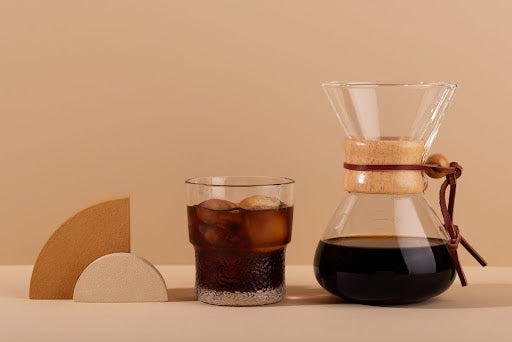
You’ll need a dripper (V60, Chemex, or something similar), paper filters, and ideally a gooseneck kettle. Not mandatory, but it definitely helps. Basic method:
-
Rinse filter with hot water
-
Add medium-fine grounds
-
Bloom for 30 seconds
-
Pour slowly in circles
-
Total brew time: ~3–4 minutes
The result is a cleaner, more transparent cup.
Drip Coffee
Best for: easy everyday coffee.
Drip coffee gets underestimated a lot. But honestly, a decent coffee maker with fresh beans and filtered water can make a really solid cup. It’s the least fussy method. Add coffee, press a button, move on with your morning.
If you ever want something even simpler, coffee pods are basically the “no-thinking” version of this.
Fix the Basic Variables First
Here's something most people skip: before worrying about gear, nail your fundamentals. These three variables affect your cup more than almost anything else.
Coffee-to-Water Ratio
This is one of those things baristas talk about a lot, and for good reason. A simple starting point is somewhere around 1:15 to 1:17 — coffee to water by weight.
In real life, that just means you’re not eyeballing it. You’re giving the coffee a consistent starting point so you can actually taste what’s happening instead of guessing.
And once you get used to it, it stops feeling technical. It just becomes… normal.
|
Brewing Method |
Coffee |
Water |
Ratio |
|
French Press |
30g |
450ml |
1:15 |
|
Pour Over |
20g |
320ml |
1:16 |
|
Drip Coffee |
60g |
1000ml |
1:17 |
|
Cold Brew |
100g |
600ml |
1:6 |
A kitchen scale (around $10–$15) is one of the cheapest, most impactful things you can add to your home setup.
Water Temperature
Okay, real talk — almost nobody thinks about water temperature until they've had one too many bitter, inexplicably bad cups and start Googling at 7am in a mild panic.
Here's the short version: boiling water is too hot. At 212°F it yanks everything out of the grounds at once — the good stuff and the harsh stuff. You end up with a cup that tastes sharp and slightly burnt around the edges. Not catastrophically bad, just... off. Like coffee that's trying too hard.
Too cool (under 190°F) and the opposite happens — the water can't pull enough out. Thin, vaguely sour, weirdly hollow. Also not great.
The sweet spot is 195–205°F (90–96°C). That's where the sweetness actually shows up, the bitterness chills out, and the cup tastes like someone meant to make it that way.
And no, you don't need a thermometer. The easiest trick in home brewing: boil water, wait 30 seconds, pour. That's it. You're now in the zone. No gadgets, no guesswork, no excuse for another sad cup.
Filtered Water
Coffee is almost all water, so whatever your water tastes like… you’ll taste it in the cup.
Hard or heavily mineralized tap water can mute flavors and make coffee feel flat. Filtered water just cleans that up and lets the coffee taste more like itself.
Even a basic filter pitcher is enough to notice the difference, especially with pour over or lighter roasts.
How to Upgrade Flavor Without Buying Expensive Gear
You really don’t need a $200 burr grinder or some ultra-precise kettle that looks like lab equipment to make better coffee at home. A couple small habits do most of the heavy lifting.
Grind Closer to Brewing Time
Coffee starts losing flavor surprisingly fast after grinding. That super fresh smell? That’s literally flavor escaping into the air instead of ending up in your cup.
So if you’re buying whole coffee beans, don’t grind them days ahead unless you absolutely have to. Even a cheap blade grinder used right before brewing usually tastes better than pre-ground coffee that’s been sitting around slowly dying in the bag.
(And yes, burr grinders are better. Coffee people will remind you of this approximately every 14 minutes.)
If you do want to upgrade later, a basic hand burr grinder in the $30–$50 range already makes a noticeable difference in consistency.
Quick Reference — Grind Size by Method:
|
Method |
Grind Size |
Texture Reference |
|
French Press |
Coarse |
Sea salt |
|
Pour Over |
Medium-fine |
Table salt |
|
Drip Coffee |
Medium |
Sand |
|
Cold Brew |
Extra coarse |
Rough gravel |
|
Espresso |
Fine |
Powdered sugar |
Store Coffee Correctly
Coffee hates heat, light, moisture, and air. Basically, it’s a little dramatic.
The best move is keeping your beans in an airtight container somewhere cool and dry — not next to the stove where your kitchen turns into a sauna every time you make pasta.
And despite what people sometimes think, the fridge usually isn’t a great idea either. Coffee absorbs odors fast, which is how you accidentally end up with beans that vaguely smell like leftover takeout.
A simple ceramic or stainless steel container works perfectly fine. No need for a fancy $40 vacuum-seal canister unless you just enjoy coffee gadgets.
Final Takeaway: Better Beans Matter More Than Better Gadgets
If there's one thing to walk away with, it's this: fresh coffee beans will improve your cup more than any piece of equipment. You can have a $600 grinder and a $300 pour over setup — but if you're running stale grocery store beans through it, you're still going to get a mediocre result.
Start with freshly roasted coffee. Learn your ratio. Use filtered water at the right temperature. Then experiment with brewing methods and grind size. That's the path to genuinely great home coffee — no expensive gear required.
At the end of the day, better coffee isn’t about gear — it’s just about getting the basics right.
And if you’re into this kind of thing, the team at Concept Cafes Coffee keeps sharing more ways to make your daily cup a little better, one simple step at a time.
FAQ
How do you make better coffee at home?
Use fresh beans roasted within 2–4 weeks, grind right before brewing, keep a 1:15–1:17 coffee-to-water ratio, and use filtered hot water.
What is the best way to brew coffee without expensive equipment?
French press or pour over. Cheap, easy, and tasty.
How do you brew pour over coffee at home?
Coarse grind, 1:15 ratio, hot water just off boil, steep 4 minutes, press slowly, pour right away.
Can you make good coffee without a coffee machine?
Filter, medium-fine grind, bloom pour (twice coffee weight in water, 30 sec), then pour in circles until done.
Can you make good coffee without a coffee machine?
Yes. French press, pour over, AeroPress, moka pot — all work great. Beans and water matter more than machines.
What coffee grind size should beginners use?
Medium grind (like sand or salt). Go coarser for French press, finer for pour over. Better a bit coarse than too fine.
How much coffee should you use per cup?
About 10–12g per 6 oz (180ml) water, or 20–24g for a 12 oz mug. Adjust to taste.
References
-
Specialty Coffee Association (SCA)
-
Coffee Quality Institute (CQI)
-
National Coffee Association (NCA USA)